Spring
Spring: the easy answer
Warm days, mild nights in camp, green valleys on the way, and the pass over the High Atlas at its most straightforward.
When to go
Two things decide when this trip is at its best, and neither of them is the sand. The first is heat: Erg Chebbi is deep in the south, and in July and August the middle of the day out there is genuinely hard work. The second is the night, because you are sleeping in it — and in the cold months the desert gets properly cold after dark, which is a surprise to almost everybody the first time. That leaves spring and autumn as the comfortable answer, which is also when the pass over the High Atlas is at its easiest and the valleys on the way are green. Winter is not a bad time to come, but it is a different trip: snow on the tops of the pass, cloud and sand in the air some days, and a camp where you will want every layer you brought. Below: what each part of the year gives you, what it takes away, and how to book so that the season works for you rather than against you. The floor here is $63 for three days.
Quick answer
The short version. Spring and autumn are the comfortable answer: the days are warm rather than hot, the evenings are mild, and the road over the High Atlas is at its easiest. High summer is the version with heat in it — the trip still runs, but you will be planning your time on the sand around the ends of the day rather than the middle. Winter is the version with cold nights and snow on the tops of the pass, and it has its own argument: thinner crowds and long shadows on the dunes in the afternoon. What none of this is, is a forecast. The desert has cloudy days and days with sand in the air, and no listing on this site sells a particular sky. Book three days from $63 or four from $190 if you want the season to matter less, put the trip early in your stay rather than on the last days, and read the Free cancellation wording on the listing page you use.
The year in order
Take the year in order. What follows is the shape of a season in the south of Morocco rather than a set of dates, because dates belong to the listing calendar and to the sky, and neither of them takes instructions from a web page.
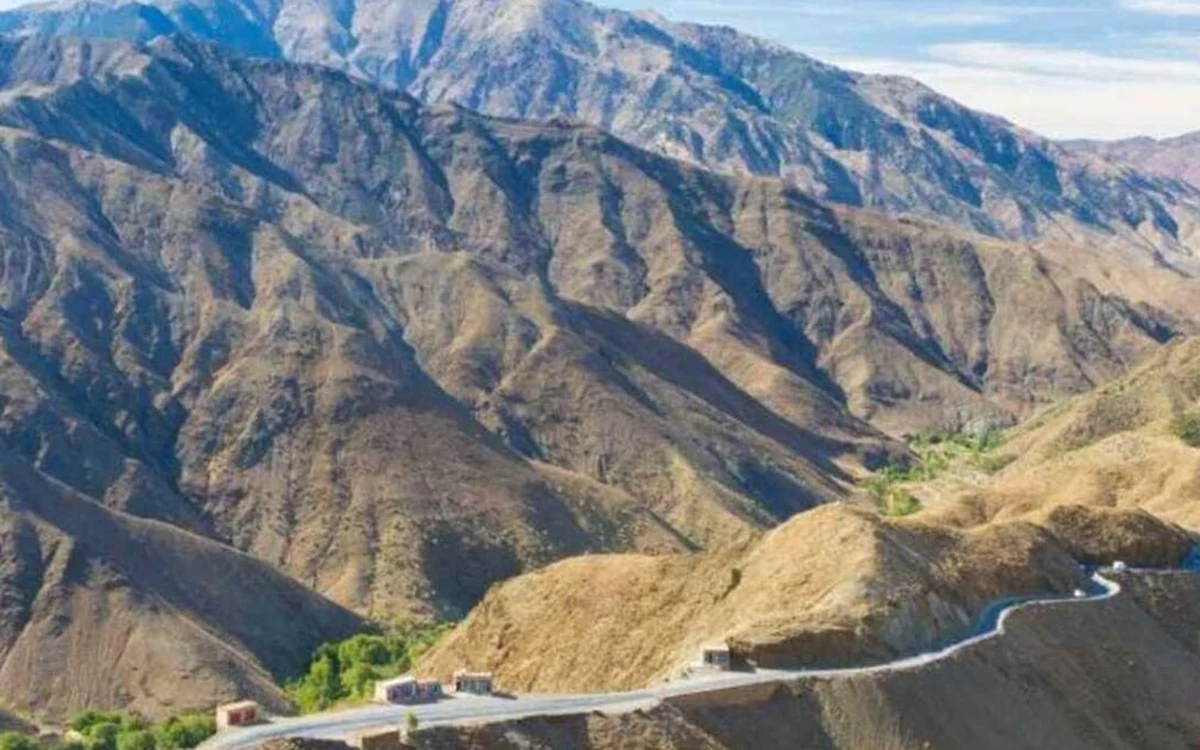
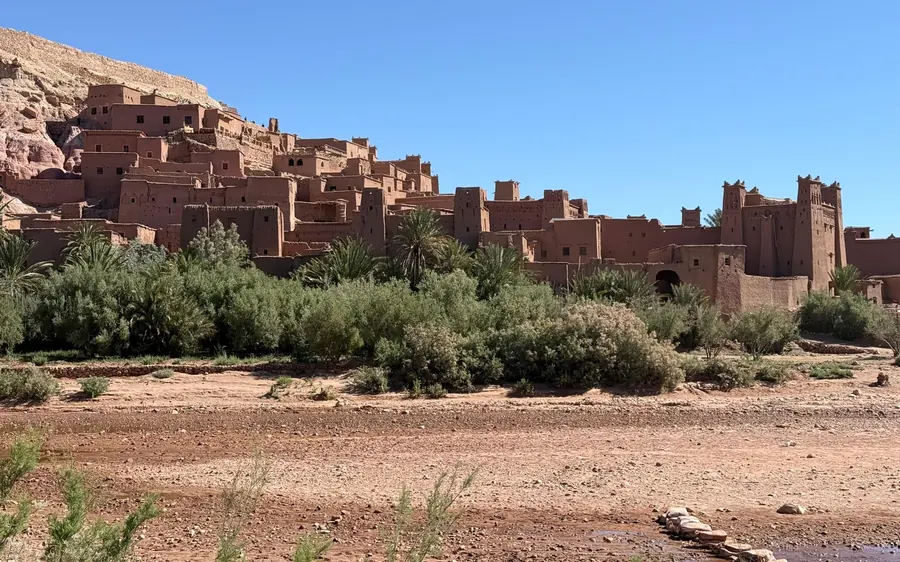
Spring. The best combination on offer. Days are warm without being heavy, the nights in camp are mild enough that the cold is a pleasant detail rather than the story, and the valleys on the road — the Dades Valley, the palms along the river below Ait Ben Haddou — are green. The pass over the High Atlas is straightforward. If you can choose your month, choose one of these.
High summer. July and August are hot in a way that changes how the day is organised rather than whether it happens. The ride out over the dunes moves towards the evening, the middle of the day becomes shade and water, and the drive itself is long hours in a vehicle in real heat. People do this trip in August and come home glad they did; they also come home telling you about the temperature. Bring more water than you think and a cover for your head.
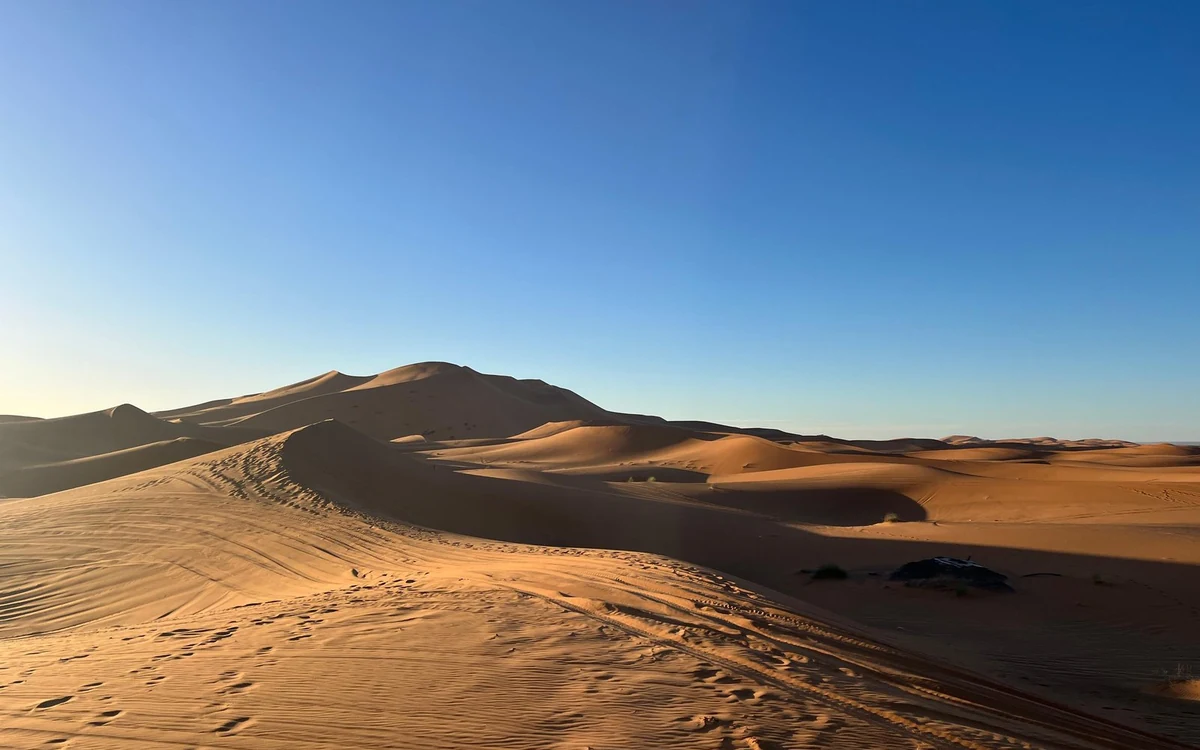
Autumn. The other good answer, and the quieter one. The heat has gone out of the middle of the day, the light gets longer and lower through October and November, and the dunes at Erg Chebbi take shadow beautifully in the late afternoon. The valleys are drier than in spring. Whether that is a loss depends on whether you came for green or for sand.
Winter. A different trip wearing the same name. Days out at the dunes can be pleasant and bright; the nights get cold quickly once the sun is off the sand, and the pass over the High Atlas carries snow on the tops. There are also days with cloud and with sand in the air, which is simply what winter in the desert includes. Come in January by all means — but pack as if you were going somewhere cold, because for twelve hours out of twenty-four you are.
Season by season
Five bars, and none of them is a forecast. They show how comfortable each part of the year usually is for the two long days on the road and the night in the sand.
Spring
Warm days, mild nights in camp, green valleys on the way, and the pass over the High Atlas at its most straightforward.
Early summer
Long daylight and plenty of it for the driving days. The heat is building at the dunes but the ends of the day are still comfortable.
High summer
July and August are hard work in the middle of the day. Time on the sand moves to early morning and evening, and water stops being optional.
Autumn
The heat is gone, the light is long and low, and the dunes take shadow in the late afternoon. Fewer people than in spring.
Winter
Snow on the tops of the pass, cold after dark in camp, and some days with cloud or sand in the air. Pack for a cold country, not a hot one.
The night
Most pages about timing here talk about the daytime. That is the wrong half of the day to think about, because the daytime is spent largely in a vehicle with a window, and the night is the part you actually bought.
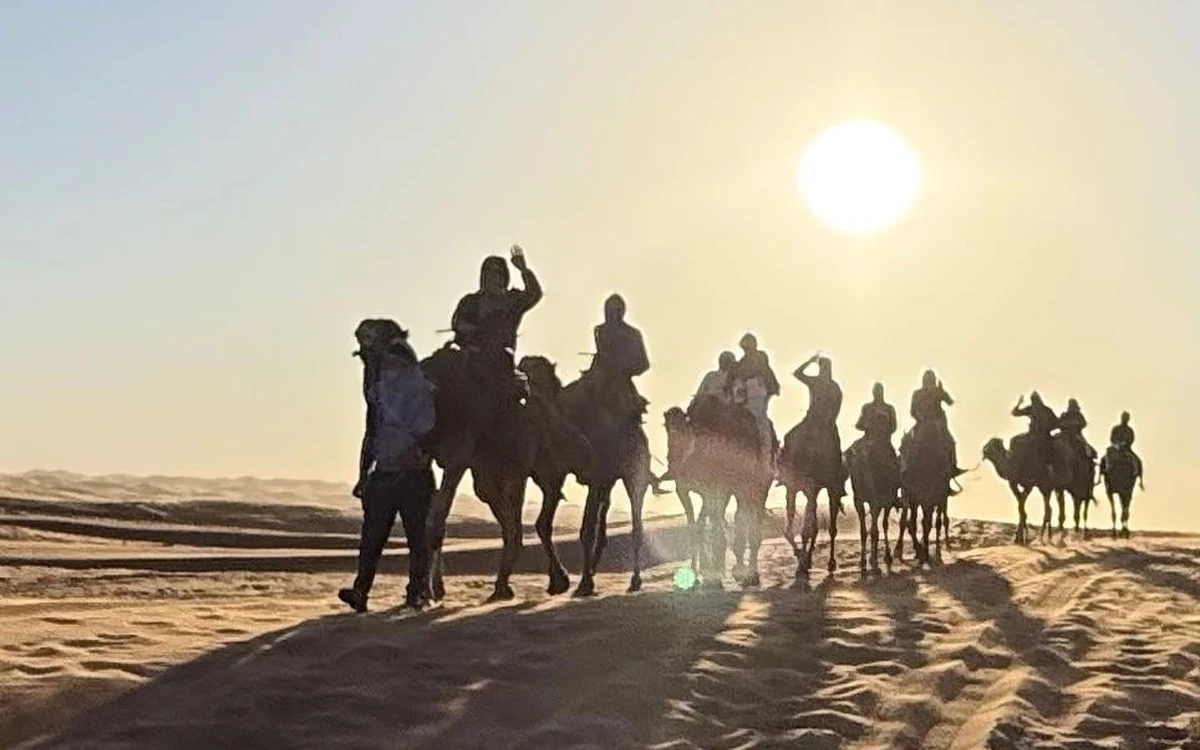
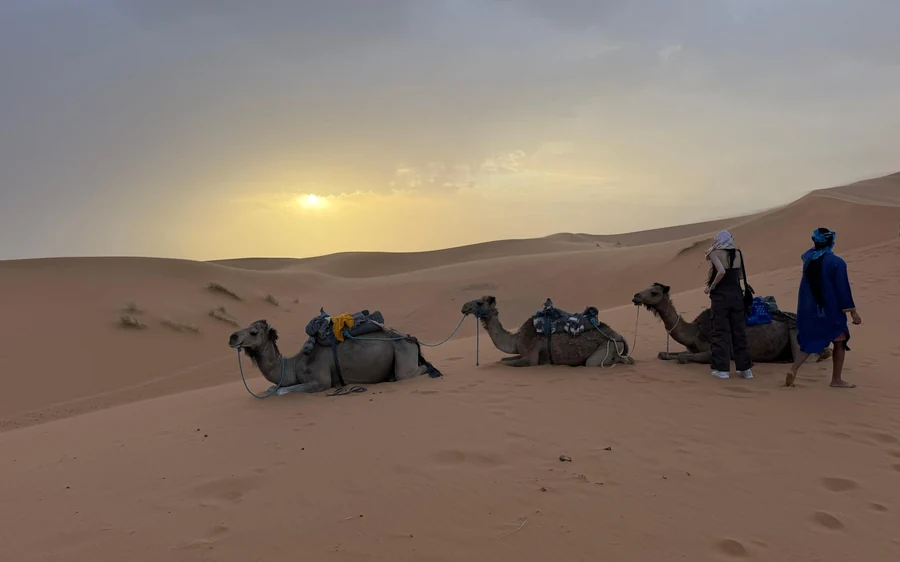
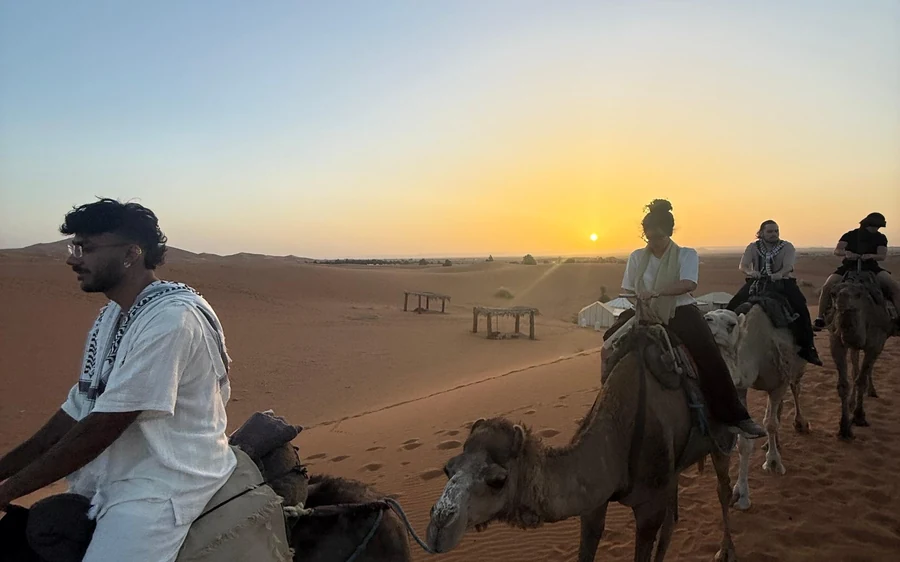
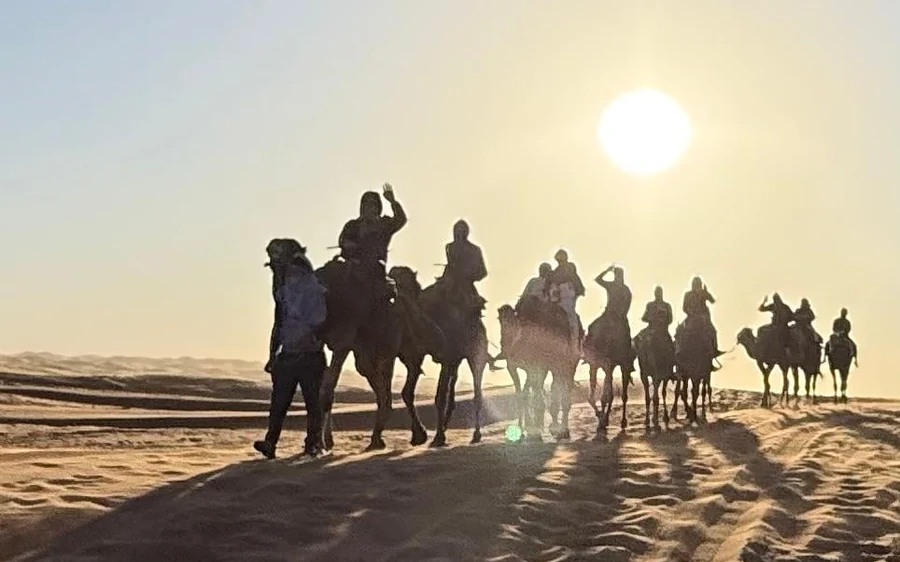
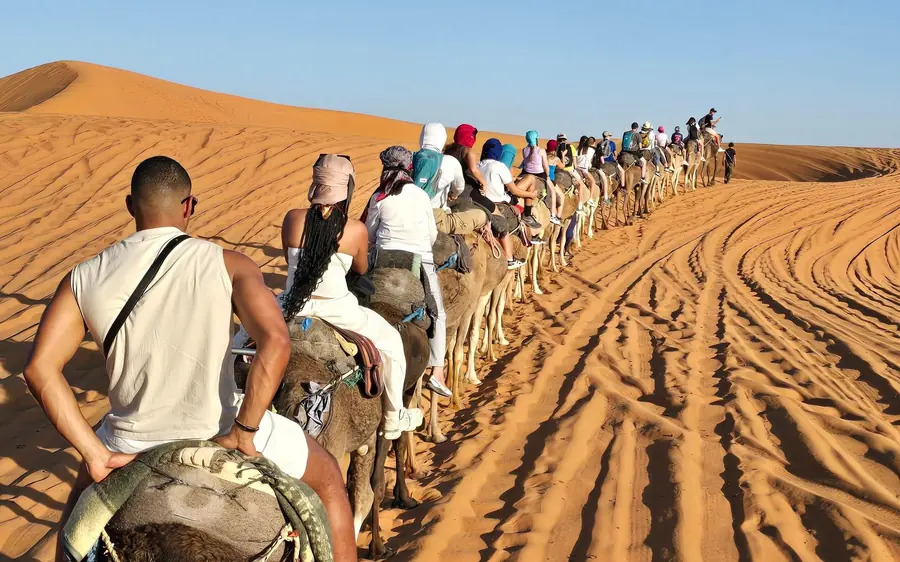
What the night is. The camps sit behind the first crest of dunes, which is why no ordinary car reaches them and the last stretch is a camel or the operator’s four-wheel-drive. You are out of sight of the road. Dinner, then the sand, then a tent. Sunrise over the dunes happens where you are standing rather than somewhere you drove to, and that is the single thing that no shorter version of this trip can give you.
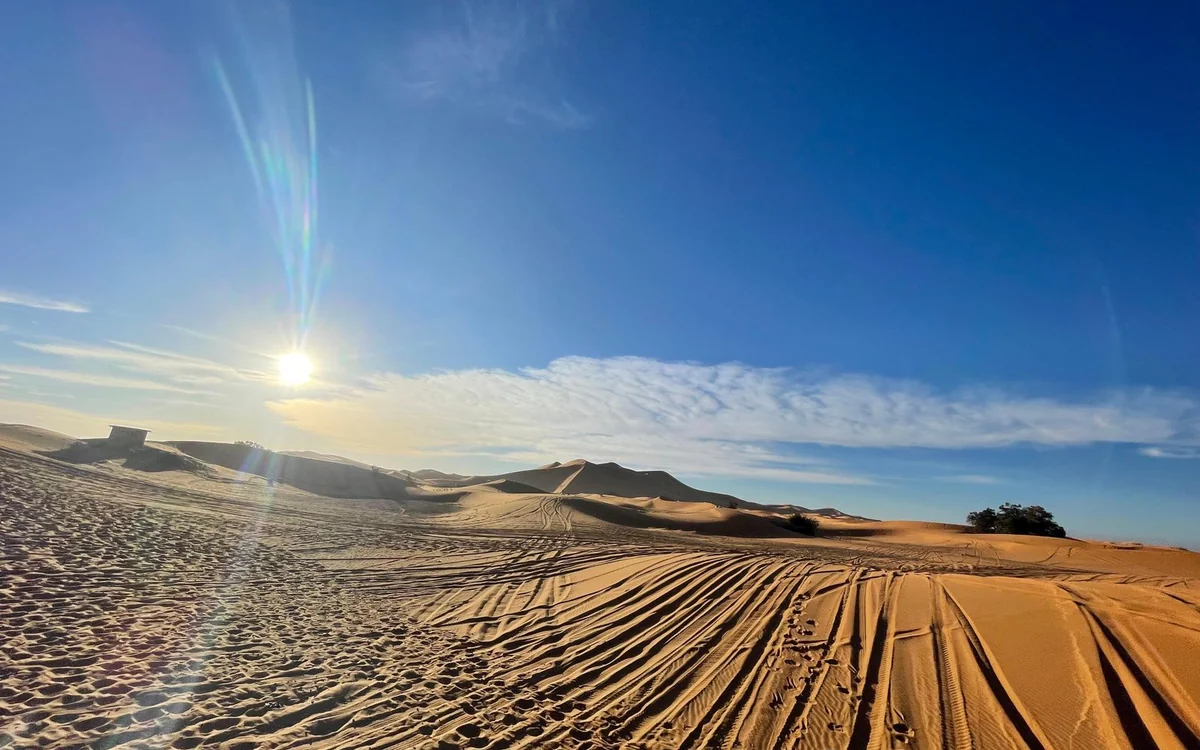
What temperature does to it. Sand holds heat badly, so it loses it fast. In spring and autumn that means a warm evening and a cool night, which is comfortable. In winter it means a pleasant afternoon and a genuinely cold few hours before dawn. In high summer it means the evening is the good part of the day, and the tent is warm later than you would like.
What to bring, by season. For spring and autumn, a warm layer for after dark and something for your head during the day. For winter, everything you would take to a cold city plus a hat, because you will want it at four in the morning. For high summer, water in volume, shade for your head and the acceptance that the middle of the day is for sitting still.
What no month can settle. Whether the sky is clear on your night. The desert has overcast nights and nights with sand moving in the air, and the honest position is that nobody selling you this trip knows what yours will look like. What is knowable is that you will be behind the dunes, away from the road, with the camp around you — and that part is in the fare.
Planning around the season
None of these needs a booking. Together they are the difference between a trip that fits the season and a trip that fights it.
Warm days, mild nights and green valleys in spring; long low light and thinner crowds in autumn. Both remove the two things that make this trip harder than it needs to be.
The four-day itineraries — $190, $201 and $256 — break the long drives into shorter ones, which matters more in heat than any tent does.
The tops of the pass carry snow and the camp gets cold after dark. A warm layer, a hat and something for your hands turn a cold night into a memorable one.
Three or four days is a big block of a holiday. Booking it at the start leaves room to move if something changes, and the listings state Free cancellation with the window on the page you book.
Spring gives you the valleys at their best: the Dades Valley, Todra Gorge and the palms below Ait Ben Haddou. Autumn gives you the dunes at their best, in long low light. The road is identical either way.
The desert has cloudy nights and nights with sand in the air, in every season. Plan for the camp, the quiet and the ride out over the crest, and treat anything the sky adds as a bonus rather than the purchase.
Itineraries here run through the year, but availability on a specific date belongs to the listing page. Open it before you build the rest of your week around it.
The four seasons, side by side
Nothing in this table is a forecast. It is the trade-off between the four parts of the year, so you can pick the one that suits the trip you want rather than the one a photograph sold you.
| Time of year | What it gives you | What it takes away |
|---|---|---|
| SpringThe easy answer | Warm days, mild nights in camp, green valleys on the road and an easy crossing of the pass. | It is the busiest of the comfortable seasons, so popular listings fill earlier. |
| High summerJuly and August | Long daylight, and the sand almost to yourself in the middle of the day because nobody else is out on it. | Real heat. Time on the dunes moves to the ends of the day and the driving hours are hot. |
| AutumnThe quiet favourite | Long low light on the dunes, comfortable days, thinner crowds and mild evenings. | The valleys are drier than in spring, so the green part of the drive is less green. |
| WinterBright days, cold nights | Snow on the tops of the pass, sharp air, the fewest people of the year on the sand. | Cold hours before dawn in camp, and some days with cloud or sand in the air. |
Which listing for which season
Timing and choice of listing are closer to the same decision than most people expect, because the thing the season changes most is how hard the driving days feel. Four situations cover almost everybody.
Spring or autumn, three days, keeping it simple. $137, our top pick, at 4.9 across 22,054 reviews. In a comfortable month the three-day shape is the right one: two driving days and the night in the sand, with nothing wasted. If you want the same shape for less, $63 is the floor of the site at 4.9 on 157 reviews.
High summer, when the days are the problem. $190 at 4.8 on 139 reviews, or $256 at 4.8 on 79. Four days and two nights means the long drives are cut in half and you are out of the vehicle during the hottest hours rather than in it.
Winter, when the night is the problem. A private tent is worth more in January than in April. $80 is the cheapest here with one, at 4.7 across 2,411 reviews, and $94 is the other, at 4.6 on 1,111.
Any season, if you are travelling north afterwards. $100, $102 and $145 end in Fes rather than bringing you back, which removes a whole day on the road — and a day less in a vehicle is worth most in the months when the vehicle is hot.
Every trip, current fare
The six listings with the most feedback behind them: price, length and price divided by the day. Season changes what you pack, not what the road costs.
| Tour | Length | Price | What is included | Cost per hour | Rating |
|---|---|---|---|---|---|
| From Marrakech: 3-Day Merzouga and Sahara Desert TourThe most booked desert run | 72 h | $137 | The most booked desert run | $1.90 | 4.9 · 22,054 |
| From Marrakech: Merzouga 3-Day Desert Safari with FoodThree days with meals included | 72 h | $120 | Three days with meals included | $1.67 | 4.7 · 14,306 |
| Marrakech: 3-Day Merzouga Desert Experience Camel & MealsCamel ride and dinner in camp | 72 h | $99 | Camel ride and dinner in camp | $1.38 | 4.6 · 6,429 |
| Marrakech: 3 Day Luxury Merzouga Tour With Private tent IncA private tent in the camp | 72 h | $80 | A private tent in the camp | $1.11 | 4.7 · 2,411 |
| Marrakech: 3-Days Morocco Sahara Desert Tour Via MerzougaThrough the gorges to the dunes | 72 h | $126 | Through the gorges to the dunes | $1.75 | 4.9 · 2,203 |
| From Marrakech: 3-Day Merzouga Desert Tour with Private TentPrivate vehicle, same route | 72 h | $94 | Private vehicle, same route | $1.31 | 4.6 · 1,111 |
Travelling north afterwards? Three listings finish in Fes instead of driving you back.
See the one-way route→Book direct
Our top pick first, then the rest in order. The three-day itineraries are the standard shape; the four-day ones are the answer when you want the driving days softened.
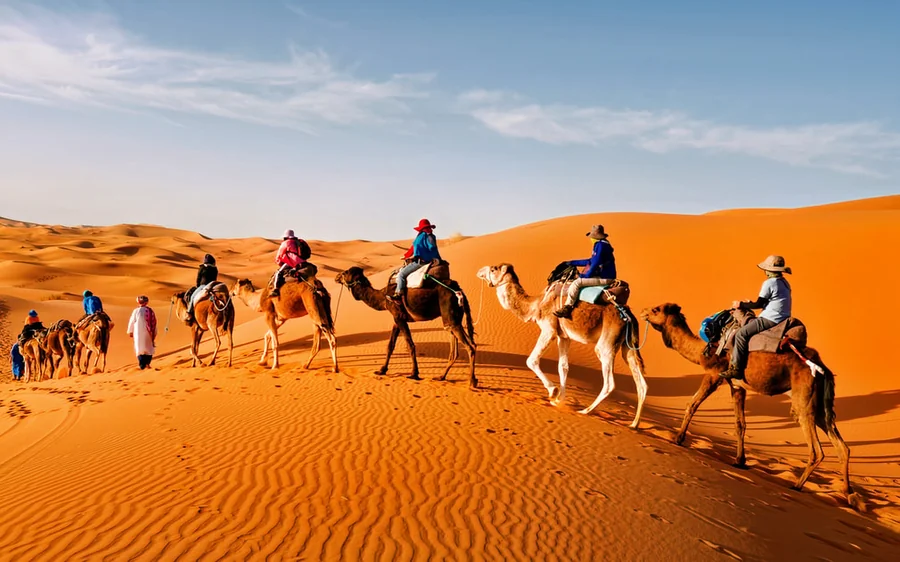
★ 4.9 · 22,054 reviews
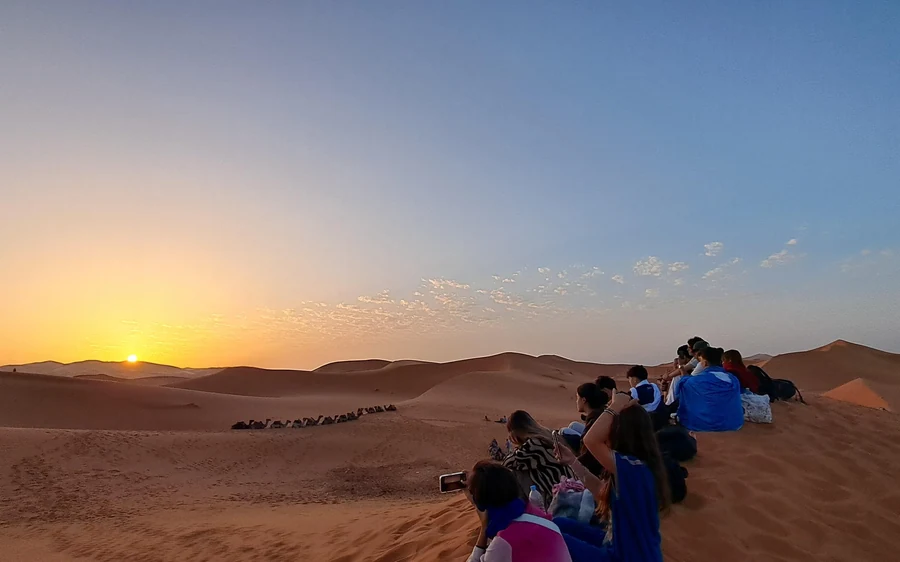
★ 4.7 · 14,306 reviews
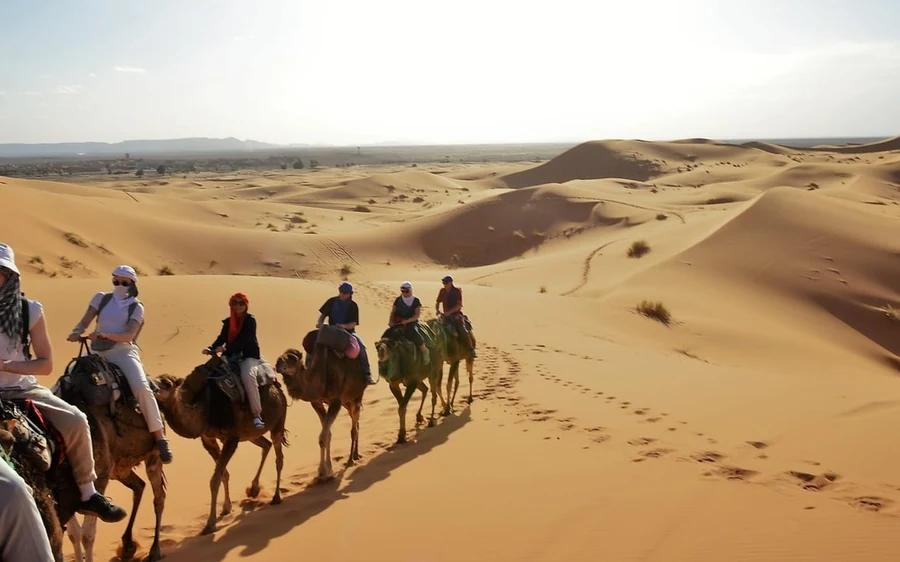
★ 4.6 · 6,429 reviews
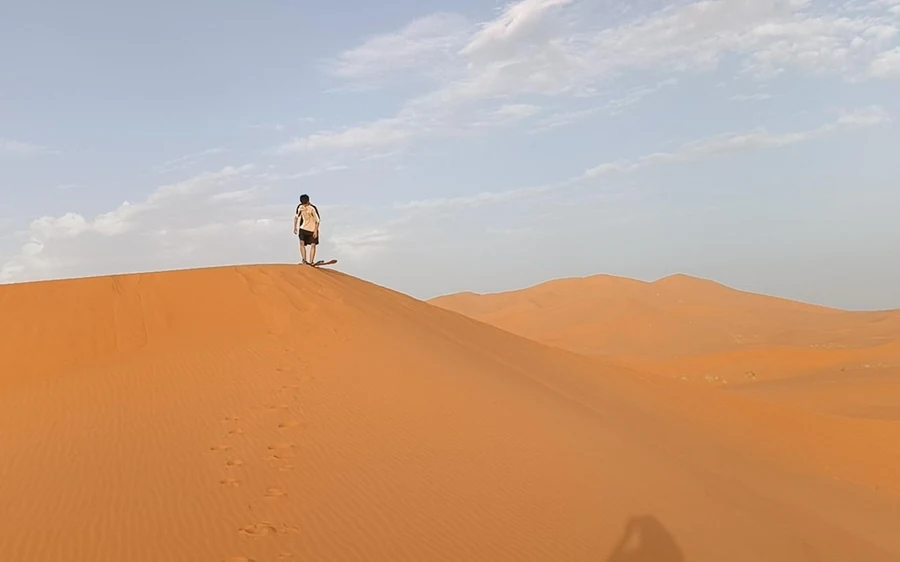
★ 4.7 · 2,411 reviews
★ 4.9 · 2,203 reviews
★ 4.6 · 1,111 reviews
★ 4.9 · 945 reviews
★ 4.8 · 228 reviews
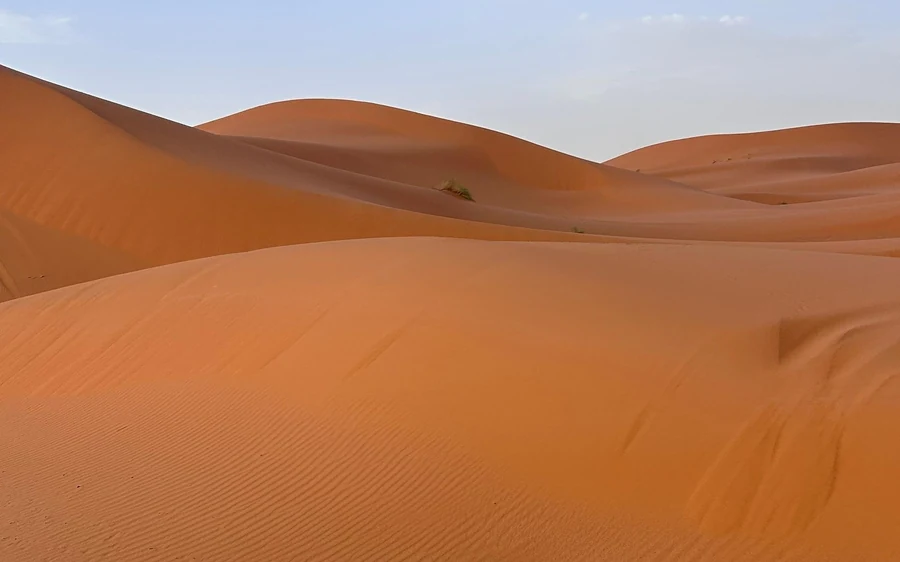
★ 4.9 · 221 reviews
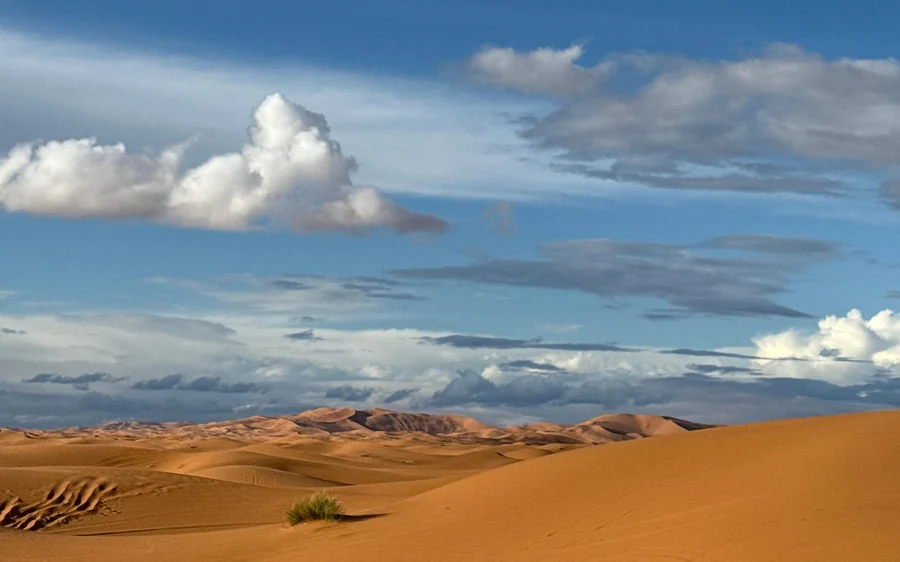
★ 4.9 · 217 reviews
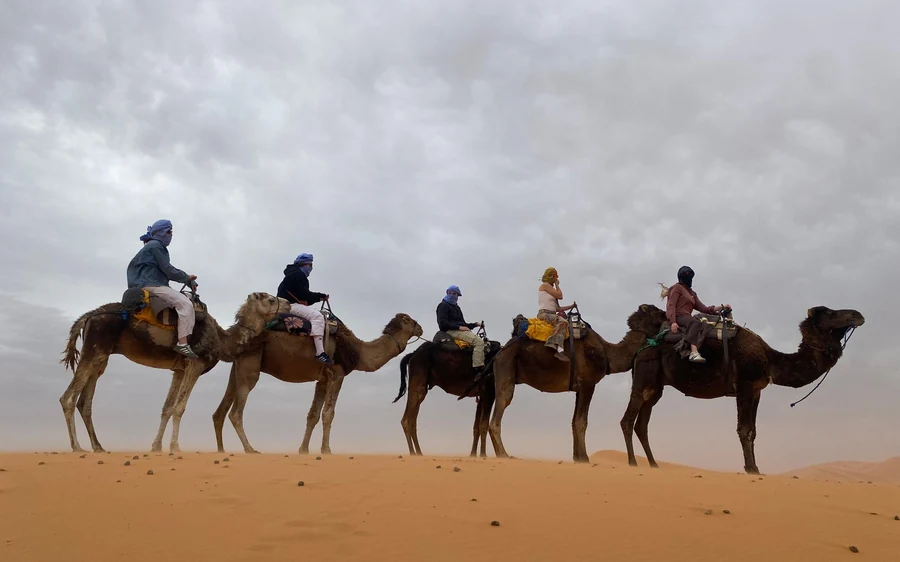
★ 4.8 · 167 reviews
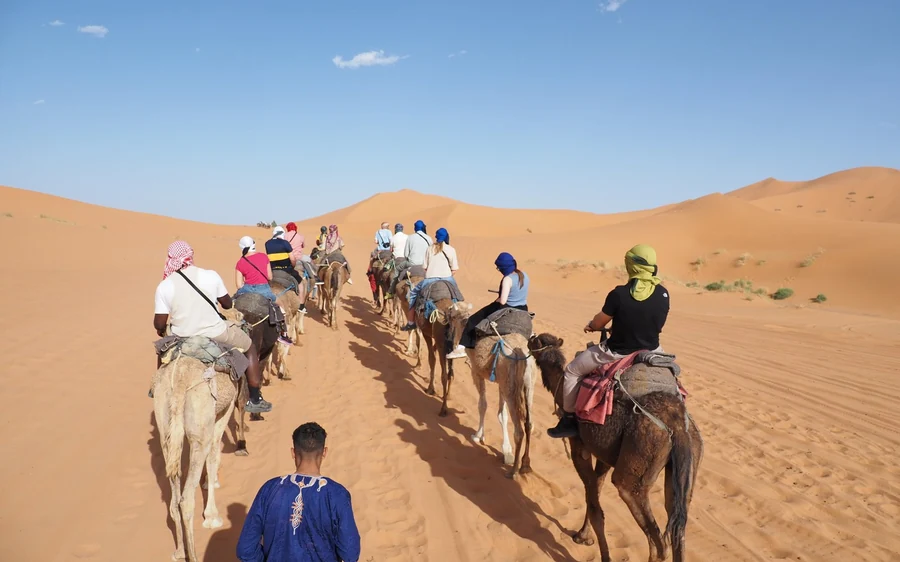
★ 4.9 · 164 reviews
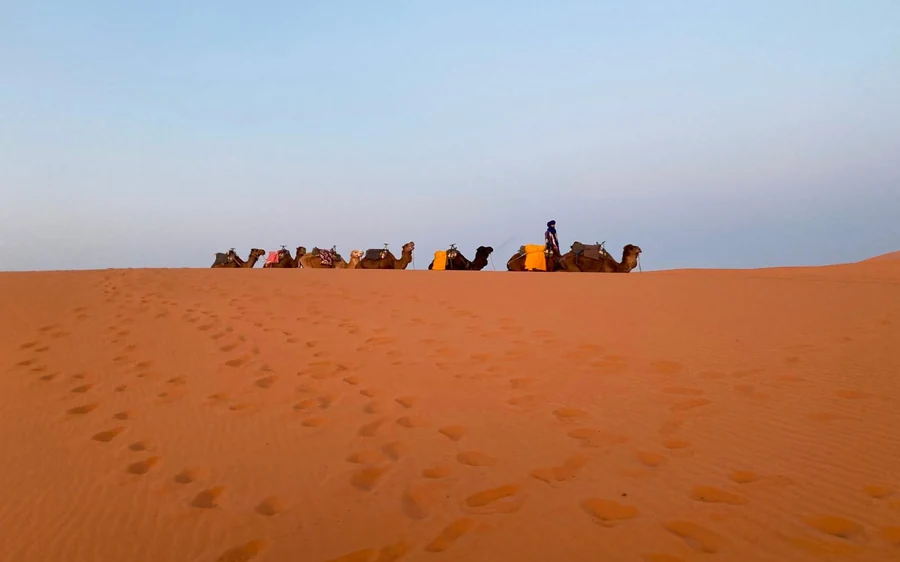
★ 4.9 · 157 reviews
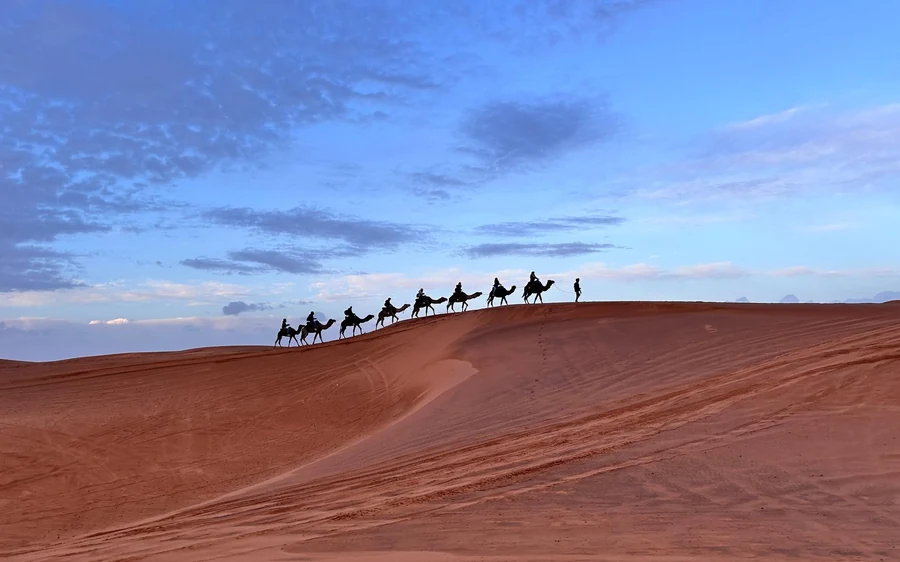
★ 4.8 · 139 reviews
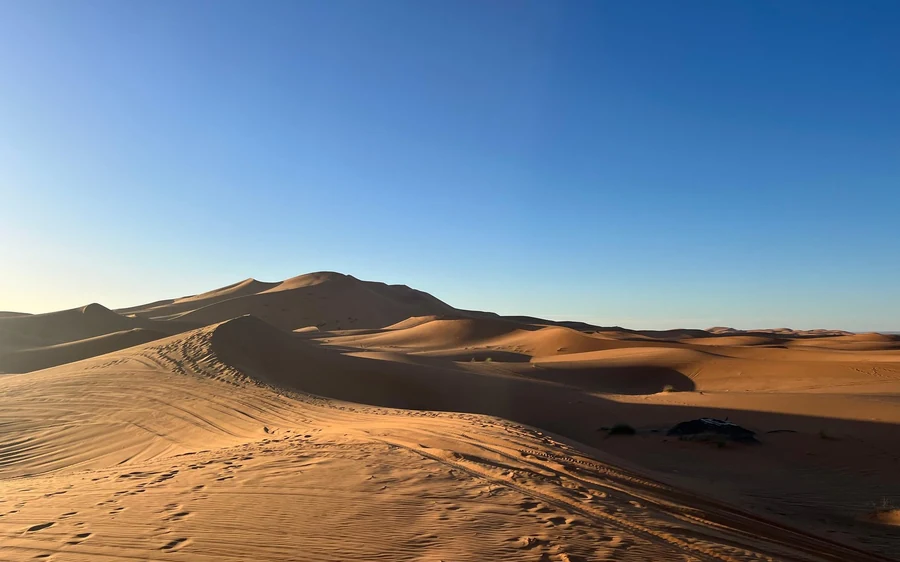
★ 4.8 · 102 reviews
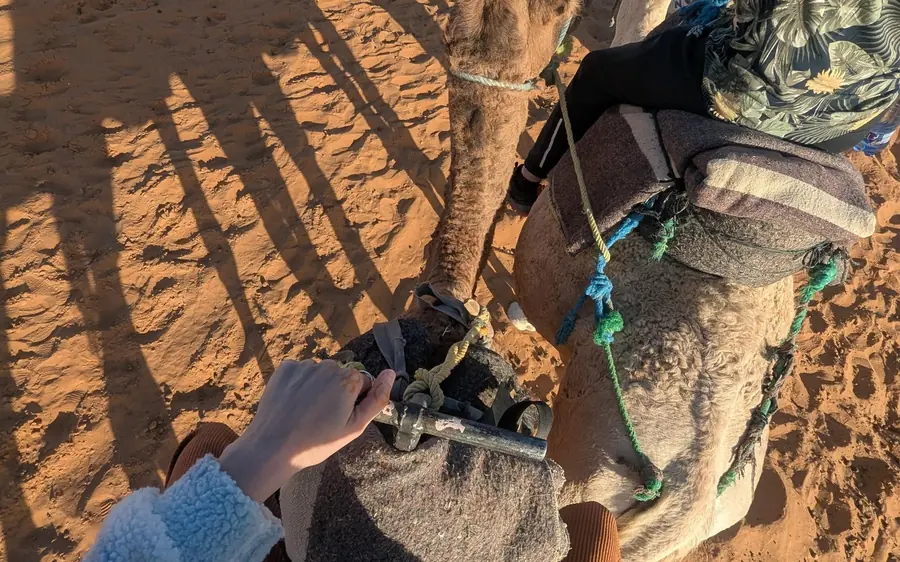
★ 5.0 · 85 reviews
★ 4.8 · 79 reviews
★ 4.0 · 194 reviews
★ 4.4 · 134 reviews
★ 4.7 · 140 reviews
Common questions
Spring and autumn. Warm days rather than hot ones, mild nights in camp, and the easiest crossing of the pass over the High Atlas.
Not too hot to go, but hot enough to change the day: time on the sand moves to early morning and evening, and the driving hours are long and warm. Take water seriously.
Cold enough to matter, especially in winter, because sand loses its heat quickly after dark. Bring a warm layer in any season and proper cold-weather clothes between December and February.
Yes. Expect snow on the tops of the pass, bright cool days and genuinely cold hours before dawn in camp, plus some days with cloud or sand in the air.
Sometimes, and nobody can promise it. The desert has overcast nights and nights with sand moving in the air. What is certain is that the camp is behind the dunes, away from the road.
The prices on this site are the ones the listings show today, from $63 to $256. Check the listing page for your own dates before you pay.
Three is enough in a comfortable month. Four — from $190 — is worth more in high summer and midwinter, because it halves the time you spend in a vehicle each day.
Far enough that the trip sits early in your stay rather than at the end of it. All the listings here state Free cancellation, with the window printed on the page you book.
Go deeper
The whole picture: twenty listings out to the dunes, read side by side.
3 daysSeventeen listings do it in three days. What fits into them, hour by hour.
4 daysThe three longer itineraries, and what the second night in the sand changes.
2 daysWhy the shortest possible version of this trip is the hardest one to book.
Sahara toursWhat the word Sahara actually buys you here, and where the sand starts.
The routeThe road itself: the pass, the kasbah, the gorges and the last stretch of sand.
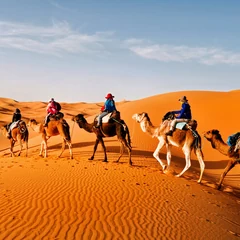
From Marrakech: 3-Day Merzouga and Sahara Desert Tour
★ 4.9 · 22,054 reviews · Free cancellation 24 h